
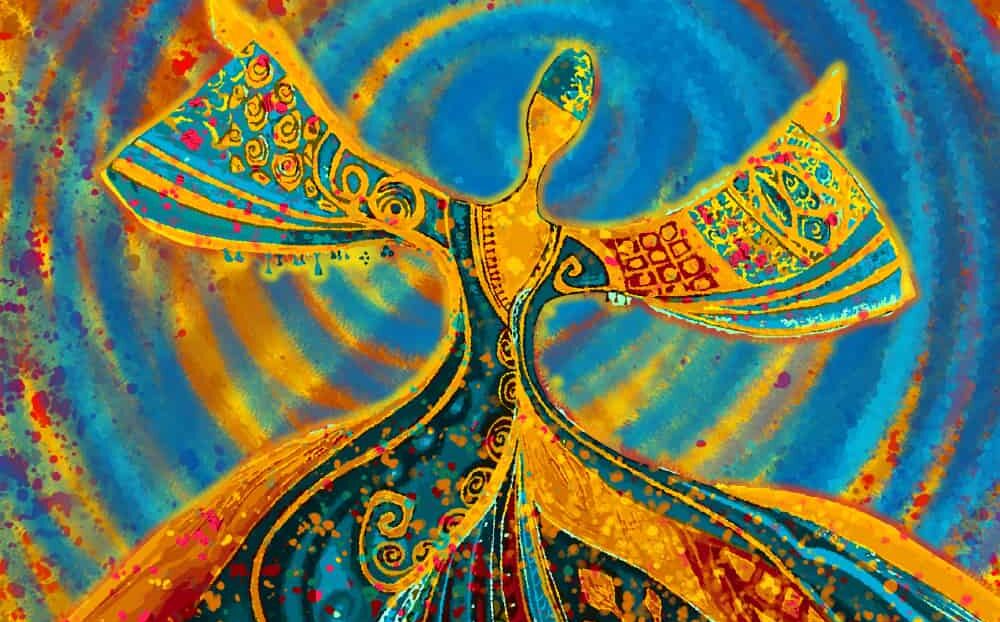
蘇菲(Sufism)是一條以愛、心與直接體驗神性為核心的神祕主義道路。它主要在伊斯蘭文化中發展,但並不侷限於單一宗教形式。Hazrat Inayat Khan 將蘇菲描述為「愛、和諧與美的訊息」,強調在不同宗教與生命形式中看見同一真理。
「什麼是蘇菲?蘇菲旋轉那個蘇菲嗎?」
當我提到心律冥想脫胎於 Sufism,這是最常聽到的疑問~ 🌹🌹🌹
而到底什麼是 Sufism 呢?這又似乎不是三言兩語就可以講完,那就讓我們來看看祖師爺 Hazrat Inayat Khan 怎麼說 Sufism 吧!
篇幅略長,我分六天慢慢翻譯~ 一樣是超級佛系的大致翻譯,因為文中牽涉許多宗教的人名、專有名詞,有點超出我的守備範圍,有些查不到統一中譯的我就還是用原文囉,也歡迎大家一起幫忙校正翻譯哈哈哈

Day. 1
<< The Teachings of Hazrat Inayat Khan >>
Vol. 8a, Sufi Teachings < Sufism > part. 1
There are three principal schools of philosophical thought in the East: Sufism, Vedantism and Buddhism. The Sufi school of thought was that of the prophets of Beni Israel: Abraham, Moses, David, Jonah and others, Zarathushtra, Christ, Muhammad; these and other prophets came from that part of the world which includes Syria, Arabia, Persia, Egypt, and what is now Turkey and south-east Russia.
在東方有三種教導哲學思想的學派:蘇菲、吠檀多(印度教的主要哲學)、佛教。蘇菲學派的思想來自於眾多的 Beni Isreal 先知們:亞伯拉罕、摩西、大衛、約拿,以及其他如瑣羅亞斯德、基督、穆罕默德;這些先知,以及其他的先知們,來自於世界的這些地方,包括:敘利亞、阿拉伯半島、波斯、埃及、以及現今的土耳其、俄國東南方。
Sufism is the ancient school of wisdom, of quietism, and it has been the origin of many cults of a mystical and philosophical nature. Its roots can be traced to the school which existed in Egypt and from which source all the different esoteric schools have come. Sufism has always represented that school and has worked out its destiny in the realm of quietude.
蘇菲是一個關於智慧、關於寂靜的古老流派,它是許多與奧祕學、哲學有關的儀式(巫術)的源頭。它的根源可以回溯到古埃及的神祕學派,而其同時也是許多秘傳學派的由來。一直以來,蘇菲都是那(古埃及的秘傳知識)的代表,並在「寂靜」的領域中找到它的道路。
From this school of Sufism came four schools: the first was the Naqshibandi which works mostly with symbolism, ritual, and ceremony. The second was the Qadiri, which taught wisdom within the realm of the existing Islamic religion in the East. The third was the Sohrwardi which taught the mystery of life by the knowledge of metaphysics and the practice of self-control. The fourth was the Chishtiyya which represented the spiritual ideal in the realm of poetry and music. From these schools many branches sprang forth in Arabia, Turkey, Palestine, Tartary, Russian Turkestan, Bokhara, Afghanistan, India, Siberia, and other parts of Asia.
從蘇菲學派,後繼又分出四個學派:第一個是 Naqshibandi(納克什班迪教團),他們主要擅長於符號學、儀式與典禮。第二個是 Qadiri ,他們教導的是伊斯蘭教裡面蘊藏的智慧。第三個是 Sohrwardi,他們以形而上學、以及自我控制的鍛鍊,來教導生命的奧祕。第四個是 Chishtiyya,他們代表的是臻於靈性完美的詩及音樂。由這四個學派,又分出許多分支,在阿拉伯地區、土耳其、巴勒斯坦、韃靼利亞、東突厥斯坦、阿富汗、印度、西伯利亞、以及亞洲的其他地方,開枝散葉。
In the different schools the ideal remained the same, although the methods varied. The main ideal of every Sufi school has been to attain that perfection which Jesus Christ has taught in the Bible, ‘Be ye perfect, even as your Father in heaven is perfect.’ The method of the Sufis has always been that of self-effacement. But which self? Not the real, but the false self upon which man depends, and upon which he prides himself as being something special; and by effacing this false self he allows that real Self to manifest in the world of appearance. Thus the Sufi method works towards the unfoldment of the soul, that self which is eternal and to which all power and beauty belong.
雖然這些學派各自往不同方法、不同領域發展,他們的理想仍然都還是一樣的。所有的蘇菲學派,他們最主要的理想,就是去達到耶穌基督在聖經裡教導我們的那個完美境界:「你們要完全,如同你們的天父是完全的。」蘇菲的方法一直都是「消除自我」,問題是,是哪一個「自我」?要消除的,不是那個真實的自我,而是那個虛假的自我、那個人們所倚賴的、並視之為特別的、以之為傲的那個自我。藉由消除那個虛假自我,我們才能讓真實的自我在這個物質世界中展現出來。因此,蘇菲的方法,是去讓靈魂得以展露它自己,它也就是那個永恆的、所有的力量與美的根源 — 那個真實的我。
Day. 2
今天繼續 part 2,一起來看看祖師爺 Hazrat Inayat Khan 怎麼回答「什麼是蘇菲?」
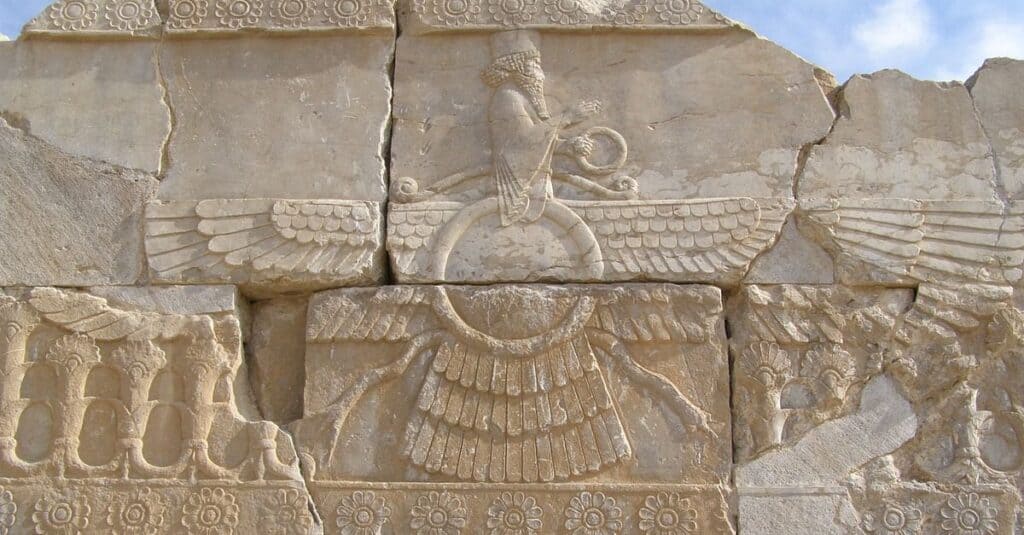
Sufism has understood what is behind the ideal of Ahura Mazda and Ahriman, the good principle and the evil principle. One finds this in the words of Christ and in the Quran as well as in the Zend Avesta. It has understood what is behind the idea of angels. And it has idealized God and the Master, the deliverer of the divine message. It may be called Jewish mysticism, without omitting the influence of Christianity. It may be called the wisdom of the Christians, without omitting the wisdom of Islam which is to be found in it. It may be called the esoteric side of Islam, without neglecting the influence of philosophies as foreign as those of the Vedanta and Buddhism. This is the reason why it is so wide, perfect, and universal.
蘇菲已經明瞭在阿胡拉·馬茲達(註:古波斯拜火教神話中至高之神)以及阿里曼(註:善神阿胡拉·馬茲達的宿敵,一切罪惡和黑暗之源)這種信仰背後的,關於善與惡的原則。這些在基督的話語裡、在可蘭經裡、或在阿維斯陀古經裡都可以找到。它已經理解在天使的概念背後是什麼。它也將神 (God) 與大師 (Master) 理想化,而大師是神訊的傳遞者。它可以被稱為猶太神祕學,但也受到基督教的影響。我們也可以稱它為基督教的智慧,但其中亦有伊斯蘭教的智慧。我們或也可以稱它是伊斯蘭教裡較為玄秘的那一面,但它其實又含有吠檀多(印度教)與佛教的哲學觀。這就是為什麼蘇菲如此廣闊、臻至完境、且具普世性。
The Sufi’s worship of nature is due to the influence of Zarathushtra. His tendency towards sacrifice is the lesson taught by Abraham. His miraculous power is due to the influence of Moses. As one who warns of coming dangers he represents the great warner of the past, Noah. His independence of asceticism shows the influence of Solomon. His sacred music tells us of the song of David. His tendency towards renunciation is learnt from the example Christ gave. The humanity the Sufi shows is influenced by the personality of Muhammad. This makes the Sufi the disciple of every master, the follower of every religion, the knower of every aspect of wisdom. Thus it is that in spite of his spiritual attainment he remains sociable in the world.
蘇菲行者對於自然的崇拜,是來自瑣羅亞斯德的影響。他們對於奉獻的傾向,是由亞伯拉罕所教導。它奇蹟般的力量,是來自摩西的影響。他們提醒人們即將到來的危險,就像一位過去的偉大警告者,諾亞(註:就是諾亞方舟的諾亞)。他們不實行苦行禁欲主義,這是來自於所羅門。他們神聖的音樂訴說著大衛的歌曲。他們對於放棄(犧牲)的傾向,是基督給予的先例。蘇菲行者所展現的人性,是來自於穆罕默德的特質。這些讓蘇菲行者成為每一位大師的門徒、每一個宗教的追隨者、並知曉智慧的每一個面向。因此,無論一位蘇菲行者的靈性修為多高,他都仍然活在俗世社會中。
Many people have said, ‘We believe only in Moses, or in Christ.’ Some say that they believe only in the Vedas, or in other ancient scriptures. But the Sufi does not care who has said something; he cares only about what has been said. If he finds truth in the words of Zarathushtra he accepts it; if he finds truth in the Kabbala he accepts that. He accepts the words of Christ and the Bible; he sees truth in the Quran. He accepts the Vedanta; some of the Sufis have been greater students of the Vedanta than many Hindus. In all he sees one scripture.
很多人會說「我們只相信摩西、或基督」,有些人說他們只相信吠陀經、或其他的古老經典。但蘇菲行者不在乎是誰說的,他們只在乎他們「說了什麼」。如果他在瑣羅亞斯德的話語中找到真理,他就接受。如果他在卡巴拉裡找到真理,他就接受。他接受基督與聖經,他也在可蘭經裡看到真理。他接受吠檀多,甚至有些蘇菲是比其他印度人還偉大的吠檀多學生。在所有的教導之中,蘇菲行者都看到同一個經典。
Day. 3
因為要翻譯這部份,去查了一下印度的歷史,裡面有很多有趣的故事呢!
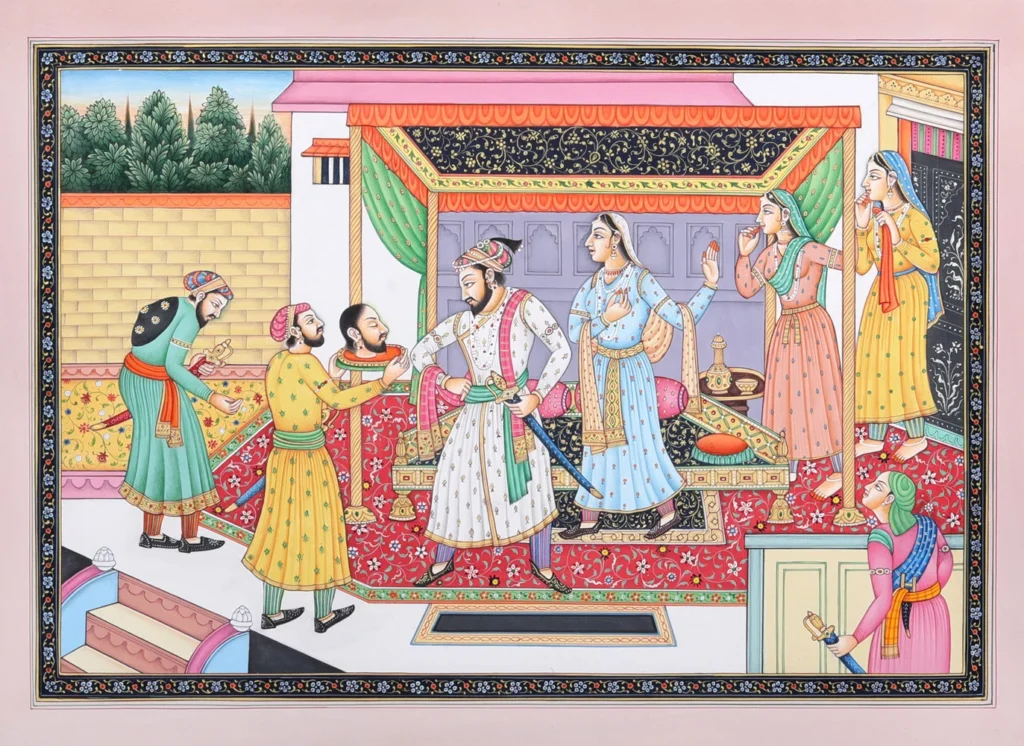
Dara, the brother of Aurangzeb, was one of the first foreigners to study the Vedanta and spread the knowledge found therein. And in Akbar’s reign there were Christian churches in his dominions, Jewish synagogues, and mosques; and he went to all. This was evident proof of his Sufi outlook. And when the great poet Kabir died, Hindus and Muslims both claimed him. The Hindus wanted to cremate him; the Muslims wanted to bury him. They both claimed that he belonged to their religion. The Sufi sees the truth in every religion. He never says that a religion is not his. Hindus and Muslims alike visit the tombs of the great Sufi saints; for instance they all go to the tomb of Khwaja Moinuddin Chishti in Ajmer.
達拉是奧朗則布的兄長(註:他們倆都是蒙兀兒帝國的王子,泰姬瑪哈陵就是他們的父親蓋的。達拉是蘇菲門徒,但奧朗則布是伊斯蘭基本教義派。),他是首先研究吠檀多的外國人之一,並將他在其中發現的知識廣為傳播。阿克巴(註:蒙兀兒帝國的第三位皇帝)的疆域中,有基督教的教堂、猶太教的教堂和清真寺,而他全部都會去。這也這說明了他那像蘇菲行者的外表。當偉大的詩人卡比爾(註:15世紀的神祕主義詩人、聖人)過世,印度教徒與穆斯林都宣稱卡比爾是他們的。印度教徒想要進行火葬,而穆斯林想土葬。他們都說卡比爾屬於他們那個宗教。蘇菲行者在所有的宗教中都看到真理。他不會去說哪一個宗教不是他的。印度教徒、穆斯林都會去那些偉大的蘇菲聖人的陵墓拜謁,舉例來說,他們全都會去位於印度阿傑梅爾 Khwaja Moinuddin Chishti 的陵墓。
The Sufi sees the one truth in all forms. If anyone asks a Sufi to come and offer prayer in the Christian church, he is ready to do so. If some one would like to take him to the synagogue and ask him to pray as the Jews do, he would be quite willing; and among Muslims he will offer Namaz as they do. In the Hindu temple he sees the same God, the living God, in the place of the idol; and the temple of Buddha inspires him instead of blinding him with idolatry. Yet his true mosque will be his heart in which the Beloved lives, who is worshipped by both Muslim and Kufr alike.
蘇菲行者在所有的形式之中都看到同一個真理。若有人要求一位蘇菲行者到基督教的教堂帶領祈禱,他願意。若有人要帶他去猶太教的教堂,要求他要以猶太教的方式祈禱,他也很願意。當他身處穆斯林中,他就會做穆斯林的禮拜。在印度教的廟宇中,他看到的也是同一個神,他看到在神像中的那個活生生的神。在佛教的廟宇,他受到啟發,而不會被偶像崇拜所盲目。然而,他真正的聖殿,是他的心,在哪裡,居住的他所愛的那位(神),是同時被穆斯林及瀆神者(註:Kufr, 穆斯林對 Kufr 有其定義,但大致上是指信仰不虔誠、不信真主之人)所敬拜的那位。
At the present time the object of the Sufi Movement is to bring about a better understanding among individuals, nations, and races; and to give help to those who are seeking after truth. Its central theme is to produce the consciousness of the divinity of the human soul; and towards this end the Sufi teaching is given.
在現今的時代,蘇菲運動的目標,是讓人們去更加理解不同個體、國家、種族;並協助那些尋求真理的人。他的中心主軸,是讓我們對於人們靈魂中的神性更有意識;也因此,蘇菲的教導即是此道。
It is not only the misunderstanding between East and West or between Christians and Muslims which has brought Sufism to the West, but the misunderstandings among Christians themselves and between individuals in general. Sufism, as a school, has come from the East to the West, but Sufism as a message has come from above to the earth; and in that sense Sufism belongs neither to the East nor to the West. The Sufi esoteric school has behind it the tradition of the ancient Sufi schools which existed in all the various periods, but the Sufi message has its own tradition. It is more than a school: it is life itself; it is the answer to the cry of the whole of humanity.
不只是在東西方之間,或在基督教、穆斯林之間的誤解,還有基督教徒彼此之間、或甚至人與人之間的誤解,將蘇菲帶往西方。蘇菲,作為一個學派,從東方到了西方,但蘇菲作為一個訊息,是從天上來到人間的。在這樣的見識之下,蘇菲不屬於東也不屬於西。蘇菲秘教具有來自古老蘇菲學派的傳統,存在於所有不同的時代。但蘇菲的訊息有他自己的傳統,他比學派多得多:他是生命本身,他是對於全人類的呼號的一個回應。
Day. 4
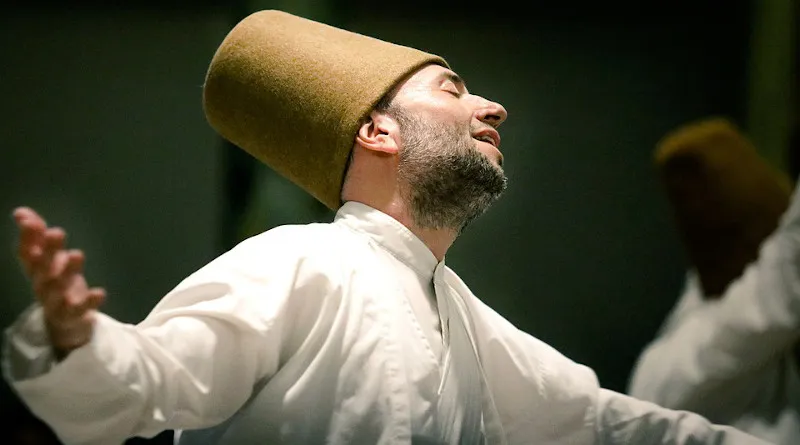
Sufism is a religion if one wants to learn religion from it; it is a philosophy if one wants to learn wisdom from it; it is mysticism if one wishes to be guided by it in the unfoldment of the soul. And yet it is beyond all these things. It is the light, it is the life which is the sustenance of every soul, and which raises a mortal being to immortality. It is the message of love, harmony, and beauty. It is a divine message. It is the message of the time; and the message of the time is an answer to the call of every soul. The message, however, is not in its words, but in the divine light and life which heals the souls, bringing to them the calm and peace of God.
對於想要從中學習宗教的人,蘇菲是一個宗教;對於想要從中學習智慧的人,他是一種哲學,對於想要被其引導,從而揭露靈魂奧祕的人,他是神祕主義。然而,他亦超越這些所有。他是那個光,他是那支持著所有靈魂的生命,讓那終有一死的存有昇華為永生的。他是愛、和諧、與美的訊息。他是神性的訊息。他是此時的訊息,而此時的訊息便是在回應所有靈魂的召喚。然而這個訊息,並不是以文字傳遞,而是在神性的光與生命中,去療癒靈魂、為他們帶來神的祥和寧靜。
Sufism is neither deism nor atheism, for deism means a belief in a God far away in the heavens and atheism means being without belief in God. The Sufi believes in God. In which God? In the God from whom he has become separated, the God within him and outside him; as it is said in the Bible, we live and move and have our being in God. That teaching is the teaching of the Sufis.
蘇菲不是自然神論,也不是無神論,因為自然神論意味著相信神在遙遠的天堂,而無神論者不相信神。蘇菲行者相信神,但哪個神?那個我們從之分離出的神,那個在我們之內亦在之外的神;如同聖經裡說的,我們生活、行動、存在都在神之內。這個教導,就是蘇菲的教導。
The Sufi believes in God as the idealized Self within the true life, as the collective Consciousness, and also as the Lord of both worlds, the Master of the day of judgment, the Inspirer of the right path, and the One from whom all has come and to whom all will return.
蘇菲行者所相信的神,是在真正的生命中的一個理想化的自我,他就如同集體的意識、如同兩個世界共同的神、如同審判之日的主、如同正道上的啟蒙者、或那一切從之而來也將歸於之的「一」。
In reality there cannot be many religions; there is only one. There cannot be two truths; there cannot be two masters. As there is only one God and one religion, so there is only one master and only one truth. The weakness of man has always been that he only considers as truth that to which he is accustomed, and anything he has not been accustomed to hear or to think frightens him. Like a person in a strange land, away from home, the soul is a stranger to the nature of things it is not accustomed to. But the journey towards perfection means rising above limitations; rising so high that not the horizon of one country or of one continent only is seen, but that of the whole world. The higher we rise the wider becomes the horizon of our view.
事實上,我們不可能有很多宗教,宗教只有一種。因為真理是唯一的,不可能有兩個「主」。如同神是唯一且宗教其實只有一種,主、真理也只有一個。人類的弱點就是他總是只把他認同的當做真理,而他所不習慣聽聞的,都會讓他害怕。就像當某人在一個人生地不熟的地方,靈魂對於他所不習慣的事物本質感覺陌生。但此走向完境的旅程,就意味著去超越限制,去上升到那個,不只看到單一個國家、或陸塊的地平線,而是看到整個世界。我們昇的越高,我們視野所見的地平線,也就越廣闊。

Day. 5
The Sufi does not prescribe principles for anybody, but this is not as in ordinary life, where to have no principles means to be a very wicked person. Some wonder how Sufism can be followed if it has no principles. But the answer is that what is good for one may be very bad for another. For one it may be very good to be a nun or to sit all day in a church or in a mosque, but for another it may be very bad; and yet another may need to go to the cafes and restaurants and learn the meaning of the experiences gained there.
蘇菲行者不會指示任何人要遵循任何原則,但這跟日常生活不同,日常生活中若一個人沒有原則,會成為一個非常不道德的人。有些人會疑惑,蘇菲沒有守則,那該遵守些什麼呢?但實際上一個對於某些人好的事物,對其他人可能是不好的。對某些人來說,可能出家是好的、在教堂中坐一整天是好的,但對另一些人來說可能很糟;另一些人可能反而需要的是去咖啡館、去餐廳,去學習那些經驗所帶來的意義。
In the East, in a place where respect must be shown people wear a hat or a turban, whereas in the West in the same kind of place the hat is taken off. It is simply the opposite principle. In the East, in Hindu temples, mosques, and other holy places, one must take off one’s shoes before entering; in the West one could not be in a church without shoes. If Brahmins had to wear heavy shoes, such as Europeans wear, they would become ill; they would always be tired; they must have thin shoes which they can take off easily. The principles of the religions have been given to suit the time and place.
在東方,人們會在某些場合戴帽子或頭巾(註:穆斯林的頭巾)以示尊敬,然而在西方,同樣的場合卻應該要脫帽。這些守則是完全相反的。在東方,在印度教寺廟、清真寺、其他神聖的地方,人們得脫鞋進入,但在西方,去教堂卻不能光腳。若婆羅門必須穿很厚重的鞋子,像歐洲人穿的那種,他們會生病的;他們會累壞;他們得穿輕薄的、很好穿脫的鞋子。一個宗教的原則,必須適合當下的時間與空間。
People have always fought over principles, saying that they adhere to a certain principle, and that this is what makes them superior, while those who adhere to another principle are inferior. But to the Sufi there is no good and bad; his only moral is to be kind to others. That is what the world cannot understand, because the world always wishes for principles and wants to be told that this is good and that is bad. But we make a thing good or bad by the way we look at it, so it is our viewpoint that should be trained first. The Sufi makes everything that he does spiritual. He sees only unity and harmony. The Sufi’s religion is love alone; therefore the principles of the different religions are nothing to him. He leaves the fight about principles to those who cannot see beyond the narrow limit of their own ideas.
人們一直以來總為了不同原則而征戰,聲稱他們堅守的那些原則比較好,且讓他們比較優等,而其他遵循其他規則的人則比較次等。但對蘇菲行者來說,沒有好、也沒有不好,他們唯一的道德法則,就是「與人為善」。這是這個世界所不能理解的,因為這個世界總是期待有法則,而且想知道哪些好哪些不好。但我們透過自己的眼光來評判一項事物是好或不好,所以我們首先鍛鍊的是我們自己的觀點。蘇菲行者讓他所做的一切都是靈性的,他所見的一切都只有合一與和諧。蘇菲的宗教就是愛,且只有愛。因此不同宗教的主張,對他們來說都是一樣的,因此蘇菲行者不參與宗教紛爭,因那屬於那些無法超越自身狹隘觀點的那些人。
Day. 6
今天是最後一段,經過這幾篇,我們就可以比較有點概念,知道「蘇菲」到底是什麼。
蘇菲有很多的不(只)是,他不是一個主義、一個哲學、一個宗教、一個學派。但他只有一個「是」。他是「愛與自由」的道路。
When the word philosophy is mentioned a person thinks at once of the philosophy of the Vedanta, say, or of Plato and Aristotle. These and other philosophers have studied the physical universe, matter; they have studied how the spirit became matter, and they have studied metaphysics; but in these philosophies we find no idealization, no devotion, whereas in Sufism one finds the idealization of God.
當「哲學」這個字詞被提及,人們馬上想到的是像吠檀多、柏拉圖、或亞里斯多德那種哲學。這些哲學家研究物理性的宇宙、物質;他們研究靈性如何變成物質,他們也研究形而上學。但在這些哲思中,我們看不到理想形象、沒有虔誠或奉獻的概念,而在蘇菲,人們找到的理想形象是神。
The Sufis believe also in encouraging every kind of worship; but even the worshipping of an idol cannot make the Sufi a Kufr, an unbeliever, because besides the idol he worships everything else at the same time. To the world it might seem that he worships the idol, but in reality he is worshipping God in all. The idolater is he who says, ‘This is God and that is not God; God is in this idol; God is not in you.’
蘇菲行者也相信各種不同的崇拜方式,但即使是對著神像崇拜,也不會讓一位蘇菲行者成為一個瀆神者、一個不信者,因為除了神像,他也同時崇拜著所有一切。在世俗的眼光看來,他好像是崇拜偶像,但實際上他是敬拜著存在於一切之中的神。如果是一個偶像崇拜者,他會說:「這是神,而那不是。神在這個神像裡,神不在你裡面。」
The Sufi also has an idol, but it is a living idol. I once met a faqir in the street of Hyderabad. He said to me: ‘Hey, Murshid, what is the way to such a street?’ I was at that time studying philosophy. I thought, ‘He calls me murshid; perhaps he sees something great in me!’ But then I heard him ask a policeman, ‘Hey, Murshid, is this the way to such a house?’ and I understood that he said ‘murshid’ to everyone. When I asked my murshid about it, he said that this was the grade of Fana-fi-Shaikh, in which the disciple sees his murshid in everyone and everything. The one who has reached it learns from everything, from every being, old or young, foolish or wise, even from a cat, from a dog, from a tree, from a stone. But the man who sees God in one object only and not in all things and beings, it is he who is the idolater; it is only when one sees God in all that one really sees God.
蘇菲行者也有偶像,但那是一個活生生的偶像。我有一次在海得拉巴(註:印度第四大城市)的街上遇到一位雲遊僧,他對我說:「嘿,大導師,到某條街的路要怎麼走?」那時我在研讀哲學,我想:「他叫我大導師,應該是因為他在我身上看到了不凡之處吧!」但我隨即聽到他對一位警察說:「嘿,大導師,到某個地址的路要怎麼走?」那時我才理解到,他對每個人都稱大導師。當我問我的導師這件事,他說這是達到了 Fana-fi-Shaikh 的階段,也就是一位門徒,在一切人事物之中,都看到他的導師。達到這個階段的人,可以從一切事物中、一切存有中學習,無論他的長幼、愚智、甚至他是貓、狗、樹、石頭。那些只能在唯一一個事物中看到神,而無法在所有事物中看到神的,是偶像崇拜者。只有當一個人能在一切事物中看到神,他才能真正看到神。
Sufism is a philosophy among the religions and it is a religion among the philosophies. Among the religions it is a philosophy by reason of the Sufi’s freedom of thought; among the philosophies it is a religion because of the Sufi’s idealization of God, his devotion and worship. The Sufis were called Sufis by others, they did not give themselves any name. They were free from name, from label, from distinction of personality, and for this the world called them Sufi, from Saf which in Arabic means ‘pure’.
蘇菲,是宗教中的哲學,哲學中的宗教。對宗教來說他是哲學,因為蘇菲有自由的思想;對哲學來說他是宗教,因為蘇菲有一個神的理想形象,並敬虔崇拜之。蘇菲行者被其他人如此稱呼,但他們自己並未給自己命名。他們不受限於名稱、標籤、或不同人的區別,因此,在這個世界,他們被稱為蘇菲,這個字是從阿拉伯文的 Saf 而來,意味著「純粹」。
(本文完)